
Fire Safety
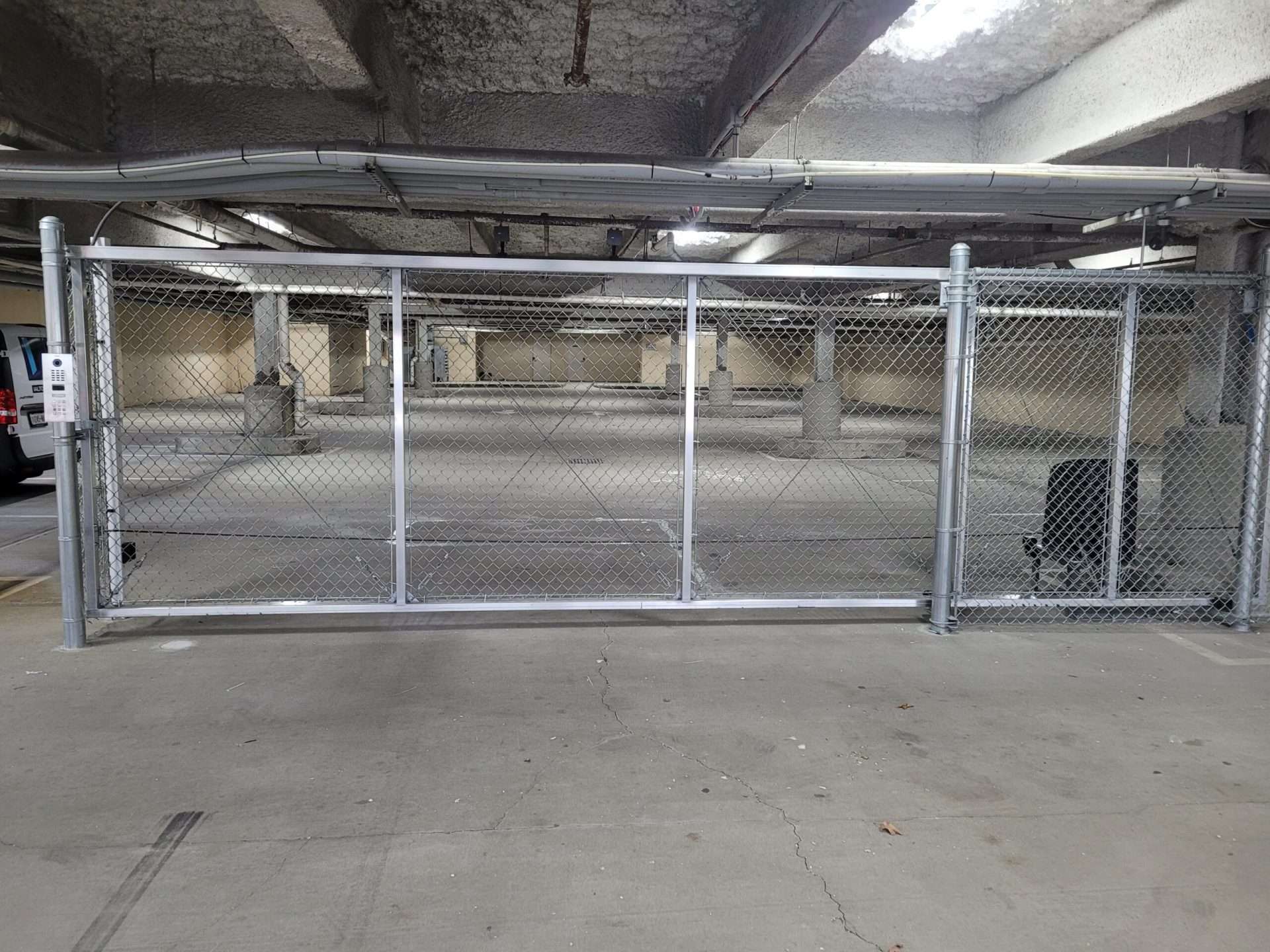
A smoke detector is not the right choice for every room in your home – and the garage is the clearest example. Consumer Reports, updated October 29, 2026, explains that a typical smoke alarm won’t work well enough in your garage, and that you need a heat detector instead. For Long Island homeowners and business owners with an attached garage, that is a simple swap that makes a real difference to safety.
What happened
Consumer Reports updated its fire-safety guidance on October 29, 2026, warning that smoke alarms are not designed for use in garages. Dust, humidity, car exhaust fumes, and even insects can set off false alarms in a smoke detector there, while a heat alarm responds to high temperatures instead of smoke. The U.S. Fire Administration puts it plainly: a heat alarm is the device made for the garage, installed and connected so it works with the rest of your home’s fire-protection plan.
What it means for Long Island home and business owners
Many Long Island homes have an attached garage, and many business owners keep one next to their office or workshop. A false alarm in the middle of the night is disruptive, and a smoke alarm that does not sound when it should is dangerous. The news is practical: the right device for an attached garage is a heat-sensing fire alarm, not a smoke alarm. It protects the space without nuisance trips, and when it is interconnected it can set off the smoke and CO alarms throughout the building if a fire starts in the garage.
What to do now
- Look at each garage on your property – home and business – and check whether it has a heat alarm or only a smoke alarm.
- Choose a heat alarm rated for temperatures between 175 and 250 degrees Fahrenheit, so it will not sound from normal summer garage heat but will respond to a real fire.
- Have any hard-wired heat alarm installed by a qualified electrician, and do not mount it near fluorescent lights, which can affect its operation.
- Connect the heat alarm to your home’s smoke and CO alarms so that if the garage alarm sounds, the rest of the building hears it too.
- Test every alarm monthly and replace batteries or units as the manufacturer directs.
Questions Long Island owners ask about garage alarms
Can I keep my smoke alarm in the garage? You can, but it is not the device made for the space. Dust, humidity, car exhaust fumes, and even insects can cause false alarms in a smoke detector there, so a smoke alarm is more likely to wake you up for no reason than to warn you of a real garage fire.
What does a heat alarm do differently? A heat alarm responds to high temperatures, not smoke or fire, and is ideal for garages. It will not sound from normal summer garage heat, but it will respond to a real fire.
Will one heat alarm protect my whole home? Not on its own. Interconnected heat alarms will set off other smoke and CO alarms in your house if there’s a fire in the garage, so the whole building hears the warning.
Do I need an electrician? If the heat alarm is hard-wired, have it installed by a qualified electrician. Battery-powered units are simpler, but every alarm should still be tested monthly and replaced as the manufacturer directs.
How this ties to what we do
Fire protection is one of the core services IAL Total Security provides across Long Island, from Smithtown through Suffolk and Nassau counties. A heat-sensing alarm in the garage is a smart addition to a monitored fire-alarm system, and our team can help you choose, install, and maintain the right devices for your home or business. Learn more about our fire alarm services, or get in touch through our contact page.
Sources
- Your Garage Needs a Heat-Sensing Fire Alarm, Consumer Reports, updated October 29, 2026
- Heat Alarms, U.S. Fire Administration