
News explainer
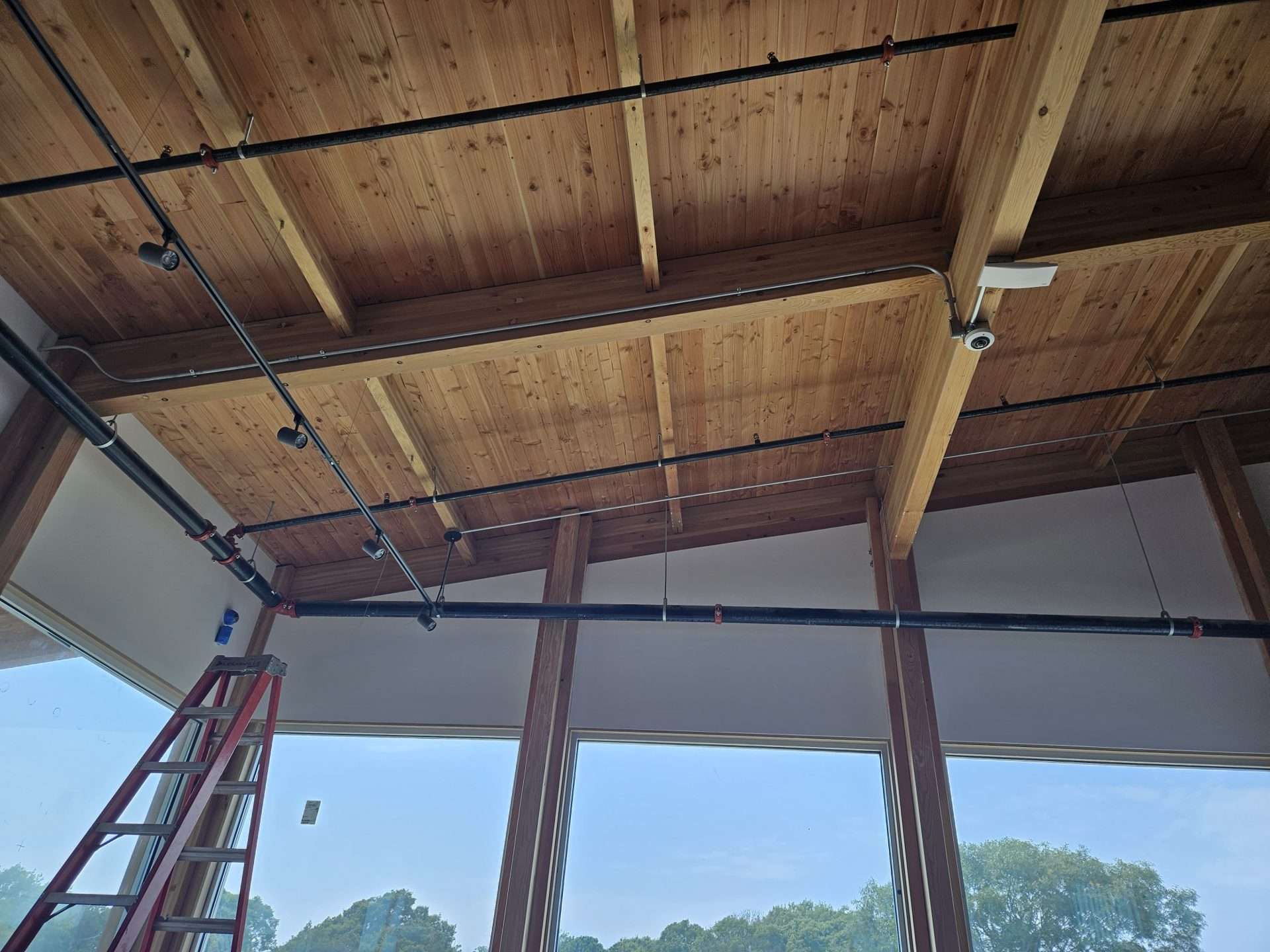
In the week of November 16, 2026, security researchers at Huntress uncovered a coordinated campaign that used vulnerable security camera software as an entry point into computer networks. Between November 8 and 10, attackers exploited flaws in GeoVision’s GV-VMS camera management platform across 13 organizations, gaining deep control over Windows systems and installing cryptocurrency-mining malware.
The findings have implications for more than just business owners — any homeowner with an internet-connected security camera system should take this seriously. When a camera’s management software is compromised, the camera stops being a shield and starts being a back door.
What Happened
Huntress researchers observed widespread malicious activity stemming from GeoVision webcam software. The attacks targeted GeoStartupAgentService.exe, a legitimate GeoVision background process that ran with SYSTEM-level privileges on affected Windows computers.
Here is how the intrusion unfolded: attackers found internet-exposed GeoVision devices or management interfaces through Shodan, a search engine for connected devices. From there, they used those systems to launch PowerShell scripts, download additional malware payloads, and interfere with Windows security protections.
On many affected machines, the malicious commands executed under NT AUTHORITY\SYSTEM — effectively giving attackers total control over the operating system.
The attackers used legitimate software processes to execute malicious commands, interfere with Windows security protections, and deploy the XMRig cryptocurrency miner.
Most of the GeoVision activity occurred over a tight two-day window (November 8–10), but the Huntress team noted that they have seen several previous incidents involving attackers targeting camera systems to carry out malicious activity across different industries.
Why This Matters for Long Island Homeowners
If you run a home security camera system that connects to your network — and the vast majority of modern systems do — this is directly relevant to your situation. The same pattern applies:
- Exposed camera management interfaces can be discovered by anyone running a Shodan search.
- Weak or default passwords on those interfaces give attackers full access to the camera software’s back-end processes.
- Once inside the camera management software, attackers can pivot to other devices on your network — including computers, phones, and smart home devices.
- The goal isn’t always theft: in this case, the attackers used the compromised systems for cryptocurrency mining, which slows down your internet and increases your electricity bill.
A security camera should make you feel safer. When it is poorly configured or left unpatched, it does the opposite — it becomes a trusted entry point that bypasses firewalls and antivirus protections.
What to Do Now
Here are the steps every Long Island homeowner with a network-connected security camera system should take in the week of November 23, 2026:
- Update your camera firmware immediately. GeoVision has released software updates that address the remote code execution vulnerabilities used in this campaign. Check your camera manufacturer’s website for the latest patches and install them right away.
- Change all default passwords. If your camera system or its management interface still uses the factory-default username and password, change them to strong, unique passphrases.
- Move cameras to a separate network segment. Use your router’s guest network or VLAN features to isolate cameras from your main computers and devices. This way, even if a camera is compromised, the attacker cannot reach your personal data.
- Disable remote access unless you actually need it. If you never watch your cameras from outside your home, turn off remote access entirely — it removes an attack vector completely.
- Verify your router’s firewall settings. Make sure port forwarding rules for your camera system are active and that no unnecessary ports are open to the internet.
When It Is Time for a Professional Setup
The GeoVision incident shows why professional installation matters. A properly configured security camera system uses isolated networks, strong authentication, and regular firmware updates — all things that are easy to overlook when setting up cameras yourself.
If you want your cameras to work the way they are supposed to — protecting your home without creating vulnerabilities — the team at IAL Total Security can help. They specialize in security camera systems for Long Island homes and businesses, and they build installations that stay secure over time.
For a professional security camera installation that stays secure, call (631) 724-2500 to schedule a consultation with the IAL Total Security team.
Sources
- GeoVision Camera Software Abused to Deploy XMRig Cryptominer, Huntress, November 13, 2026
- Hackers Abuse GeoVision Camera Software at 13 Organizations, eSecurity Planet, November 17, 2026